Why Do Online Casinos Feel Less Social Than Poker Nights?
A poker night at home has a kind of social texture that is hard to recreate online. Someone deals the cards, somebody else asks whether the pizza has arrived, and a hand that should take a minute turns into a story everyone retells later. Even the quiet moments have company: people watch the board, notice a bluff, and react together.
An online casino experience can be lively in its own way, but it often feels more private. A player opens a game on a phone or tablet, makes decisions alone, and can leave without saying goodbye. That contrast is especially noticeable in Norway, where gambling takes place within a strict regulatory environment and land-based options are limited compared with places built around casino tourism.
The difference is not simply “real people versus computers.” It comes down to how the games are organized, what players expect from them, and how convenient online access has changed the pace of play. Poker offers a natural reason to gather. Casino games offer variety and availability, but they do not always give players the same shared purpose.
Poker night is an event, not just a game
A poker night at home has a beginning, a middle, and an end. Friends agree on a time, choose a table, and usually settle into a familiar routine. The game gives the gathering structure, but the social value is bigger than the cards. People talk between hands, tease one another about old bluffs, and catch up on life while chips move around the table.
That shared setting also creates little rituals. Someone may bring the same snacks every week. The host might explain a house rule to a new player. A regular may insist on shuffling in a particular way. Those habits build a sense of belonging that a digital lobby does not automatically provide.
Poker itself encourages attention to other people. Players watch betting patterns, timing, and reactions—not because every gesture is a reliable clue, but because the game invites them to interpret one another. A hand becomes a social exchange as well as a contest. Even players who are not in the pot can follow the action and debate what they would have done.
Poker as a cultural entry point to gambling
For many people, poker is a first encounter with gambling that feels familiar and social rather than casino-like. Friends might learn the rules at home, watch televised tournaments, or play casually without thinking of themselves as regular gamblers. The game’s visible decisions—whether to fold, call, or raise—can make it seem more understandable than a slot game or a roulette spin.
That familiarity should not be confused with a guarantee of control or profit. Poker involves chance, and money games carry financial risk. But its social format can make CoinPoker vs poker sites the activity feel like a shared hobby, which is one reason it serves as a cultural entry point for some players.
Learning resources can add another layer to the experience. For example, PokerCoaching provides poker instruction and strategy material for people interested in studying the game. That kind of learning is different from simply pressing “deal”: players can review decisions, discuss hands, and compare how they approach the same situation. It still does not remove variance or promise winnings, but it gives poker a conversation around it.
Norway’s gambling environment changes the backdrop
Social habits do not develop in a vacuum. Norway has a tightly regulated gambling environment, and the range of land-based casino options is limited compared with countries where casinos are a prominent part of tourism and nightlife. Norsk Tipping is a familiar, state-owned operator in the Norwegian market, while players may also encounter offshore services online. Those are not interchangeable categories, and it is sensible to check current rules, licensing information, and consumer protections before using any gambling service.
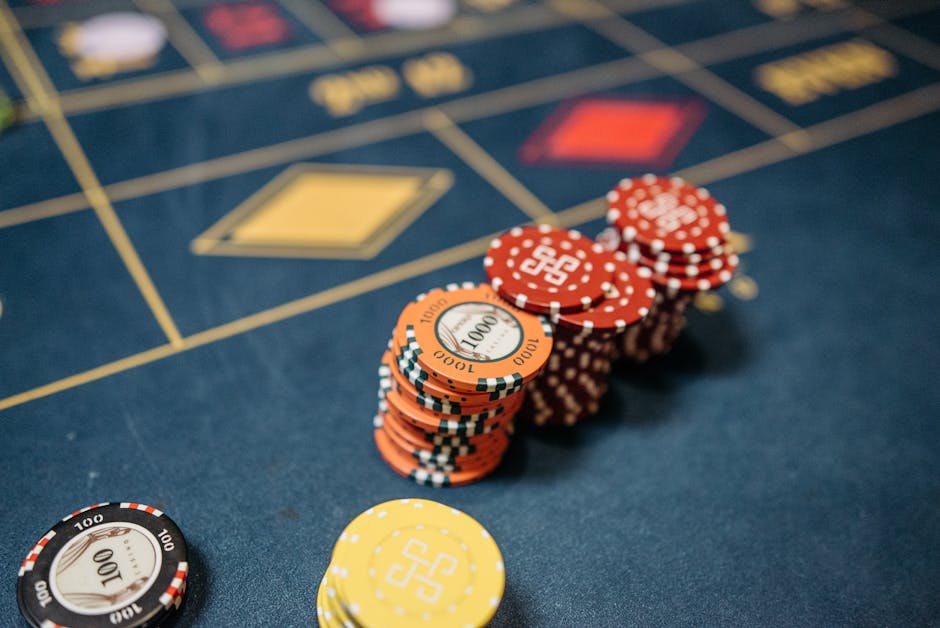
With fewer conventional casino venues to visit, online platforms can become the most visible way for some people to access casino-style games. That changes the setting: instead of travelling to a shared venue, a player can open a game at home, on a commute, or during a quiet moment. The social cues of a physical room—other players nearby, staff, ambient noise, and a natural reason to pause—are largely absent.
Norway’s regulatory reality is worth keeping in view when reading casino comparisons. Promotional language can make every platform sound straightforward, but availability, payment options, and protections may depend on the operator and the applicable rules. A site such as Kongebonus may be used by readers to compare offers or gather information, but a bonus should not be treated as proof that an operator is safe, suitable, or good value. Read the terms, check the source, and do not assume that a promotion overrides local law.
Convenience changes the social rhythm
The biggest advantage of an online casino experience is also part of why it feels less social: convenience. Games are available around the clock, and mobile phones and tablets make it possible to play without planning a night around it. On mobile, the strongest advantage is quick access and a screen that is always nearby; on desktop, it is usually easier to compare several tables, read detailed rules, and keep multiple pieces of information visible.
That convenience removes the shared commitment of a poker night. There is no need to coordinate schedules, invite people, or wait for enough players to arrive. A player can start immediately and stop immediately. This is practical, but it turns gambling into an individual activity that can sit alongside other routines rather than a planned social occasion.

Small interface details can reinforce that private feeling. A fast “play again” button makes it easy to move straight into another round. A compact mobile layout may hide chat or table information behind an extra tap. If a language toggle, account setting, or deposit flow takes effort to find, the experience can feel more like navigating a service than joining a gathering. On a tablet or desktop, chat and game details may be more visible, but they still do not create the spontaneous conversation that happens around a kitchen table.
Variety of games means different social and risk profiles
Online casinos put many types of games in one place, but variety does not mean every game feels or plays alike. A slot game is usually a solo experience with rapid rounds and little need to interact with other players. Roulette and blackjack can be played at different speeds and with different levels of involvement, but a standard digital version may still leave the player alone with the interface.
Each game also has its own risk profile. Pace, betting limits, and the way outcomes are presented all affect how an evening feels. A quick game can encourage frequent decisions; a slower format may invite more pauses. Neither format is automatically safe or unsafe for every person, so players should set limits that make sense for their circumstances and pay attention to how the experience affects them.
Format Typical social feel Practical point to consider Poker night at home Conversation and shared attention are part of the event Agree on house rules, stakes, and an end time before play Digital slots Mostly individual, with little direct interaction Notice the pace and decide in advance how long to play Online table games Can feel interactive, but often remain screen-centred Check rules, limits, and the speed of play before starting Live dealer casino A human dealer adds visible presence and table atmosphere Live video is not the same as a shared room with friendsDoes a live dealer casino solve the problem?
A live dealer casino can narrow the gap. Real-time video, a dealer, and a shared table interface give the game a more human presence than a purely automated one. Players may also be able to use a chat feature, which adds a small opening for interaction.
Still, “live” does not necessarily mean social in the same way as playing with friends. The dealer is working, the conversation may be brief or moderated, and players often remain focused on their own bets. There is no shared history, no side conversation about everyday life, and no guarantee that the other people at the table will interact. It can feel more like watching a hosted broadcast than sitting around a familiar table.
On mobile, a live stream is easy to access, but the smaller screen can make the table feel more distant and may leave less room for chat or game information. A tablet or desktop can make the layout more comfortable to follow. That is a practical distinction, not a promise of a better gambling outcome.
How to make online play feel less isolating
Players who miss the social part can make deliberate choices about when and how they play. The goal need not be to turn every online session into a party. It can simply be to preserve some of the boundaries and connection that make an in-person game enjoyable.
- Play with people you know when possible. A private poker game or a shared call can bring conversation back into the activity.
- Choose a format that suits your purpose. If the point is company, a poker game with friends may fit better than a solo casino game.
- Check the interface before committing. Look for clear rules, visible limits, accessible support, and easy-to-find account controls. Do not rush through a deposit flow just because the game is ready.
- Set a time limit in advance. My own rule is to stop at a set time, even when I am winning. A session that has a planned ending is easier to keep in perspective.
- Take breaks away from the screen. Convenience can make it tempting to continue without noticing how long you have been playing.
The short answer: online is accessible; poker night is shared
Online casinos feel less social because they are designed to make games easy to access, not necessarily to create a gathering. Twenty-four-seven availability, mobile phones, tablets, and broad game libraries make it simple to play alone at a time that suits the player. Poker night at home depends on something different: people making time for one another and sharing the same table, stories, and small rituals.
A live dealer casino can add human presence, and online poker can bring players together across distance. Neither fully reproduces the warmth of friends in the same room. In Norway, limited land-based options and a strict gambling environment make it especially important to distinguish between a social hobby, an online service, and a regulated local offering. Compare carefully, treat promotions with caution, and choose the format for what it actually offers—not for what an advertisement suggests it will feel like.
For some players, the best answer is a loss limit gambling options planned poker night with clear limits. For others, online games are a convenient form of entertainment. The useful question is not which format is universally better, but whether the experience matches your reason for playing—and whether you can stop when the time you set is up.