Norsk Tipping vs Norsk Rikstoto: What's the Difference, and Why Does It Matter?
Honestly, the first time I tried to explain Norway's gambling market to a colleague from Las Vegas, I got about four sentences in before he asked where the casinos were. The answer is that there aren't any, at least not in the form he was picturing. You know what's funny? Norway manages to have a sizeable gambling industry while having almost no commercial casinos at all. If you're searching for Norsk Tipping vs Norsk Rikstoto, you're already a step ahead of most people, because the two names get lumped together constantly, and they shouldn't be.
This piece walks through what each entity actually does, how the Norwegian system is built, and how to check any operator's credentials without taking a logo at face value. Think of it as the context that usually gets left out of the glossy comparison pages.
Norway Has No Commercial Land-Based Casino Industry
Let's start with the Vegas comparison, because it's the fastest way to see how strange the Norwegian setup is. On the Strip, a casino is a private business. It competes for your money against the casino across the street, it advertises aggressively, and its owners want you to stay on the floor as long as possible. Ever notice how the whole design of a Vegas resort, from the lack of clocks to the carpet pattern, is built to keep you moving? That logic is driven by a market where many private operators fight over the same customers.
Norway doesn't work that way. There is no commercial land-based casino sector in the Vegas sense. Gambling is organized around a state-controlled model, and the central idea is that the state, not a set of competing businesses, decides what is offered, who offers it, and where the profits go. The Norwegian government's stated rationale has long been about limiting harm and directing returns toward public purposes such as sport, culture, and good causes, rather than maximizing private profit. Whether you find that persuasive is a fair debate. What matters for our purposes is that the structure is fundamentally different, and it shapes everything else on this list.
The practical consequence is that the Norwegian gambling conversation has moved almost entirely online. Once you have no private land-based casinos, the battle over where people gamble plays out on screens, and the question becomes less about buildings and more about which licensed entity you're actually dealing with and whether it's allowed to offer you what it's offering.
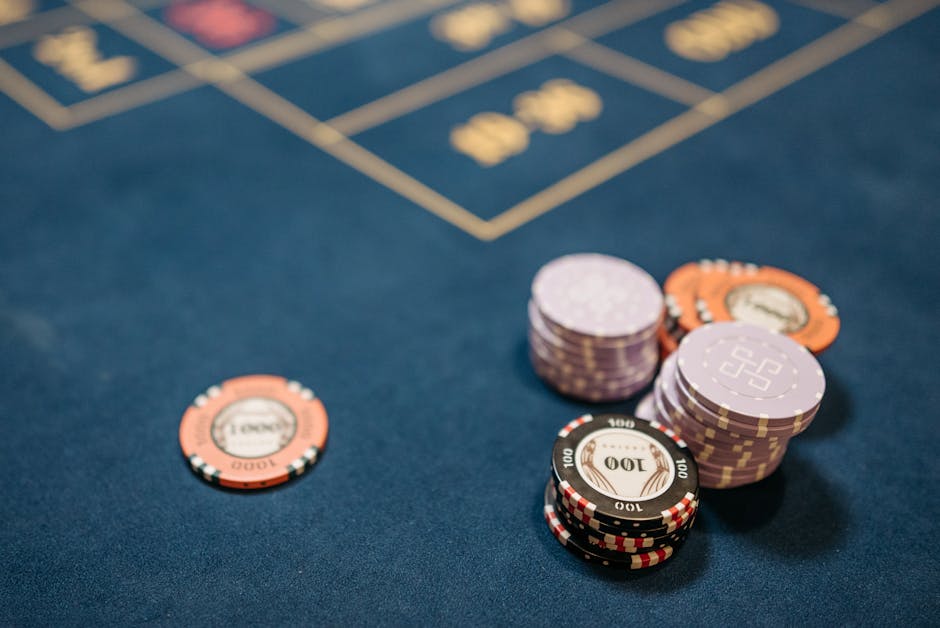
Norsk Tipping and the Exclusive-Rights Model
Norsk Tipping is the big one. It is a state-owned company, and its core business is the set of games it's permitted to run under Norway's exclusive-rights framework. That covers lotteries, sports betting, and certain casino-style games, delivered largely through digital channels. If you've ever heard of Lotto or sports betting in Norway, you've heard of Norsk Tipping, whether or not you realized it.
The "exclusive rights" part deserves a plain-English explanation, because it's the heart of the model. An exclusive right means that, for the games covered by the law, Norsk Tipping is the only entity allowed to offer them to people in Norway. There isn't a menu of competing state-licensed sportsbooks shouting about their odds. There how does Norway gambling monopoly work is one authorized operator for each covered product line. Compare this with the United States, where a patchwork of state rules creates dozens of competing operators, or with Vegas, where the competition is basically the entire Strip. In Norway, competition for your wagers is deliberately limited by design.
That design has a clear logic: fewer operators, fewer aggressive https://enyenimp3indir.net/what-is-the-risk-of-trusting-a-casino-licensing-logo/ marketing campaigns, and a tighter link between gambling revenue and public spending. It also means Norsk Tipping's business model is not really about winning market share. It's about being the sole authorized channel, and then managing responsibly within that position. Makes you wonder, right? A monopoly that is also expected to limit harm is a peculiar kind of business, and critics have pointed out the tension between generating revenue and discouraging play. Supporters argue the state has more control over that tension than it would under a commercial model. Both points have some truth to them.
Norsk Rikstoto and Horse-Racing Betting
Now for the second name in our headline. Norsk Rikstoto handles pari-mutuel betting on horse racing. If you're unfamiliar with the term, it's the system where all the money wagered on a race goes into a common pool, the operator takes a cut, and the remainder is divided among the winning tickets. Your payout depends on how everyone else bet, not on a fixed price set by a bookmaker. That's the key distinction from the fixed-odds model that dominates sports betting.
In Vegas terms, this is closer to the old racetrack tote board than to a sportsbook's wall of numbers. The odds you see are a running reflection of the pool, and they shift as money comes in. Once you understand that, a lot of confusion disappears. People often assume a horse at 5-to-1 is "paying 5 to 1," when in fact the displayed odds are an estimate that moves until the race starts, and your final return depends on the final pool.
Norsk Rikstoto's role is tied to horse racing as a sport and industry. The revenue model feeds back into the racing ecosystem, which is consistent with the broader Norwegian philosophy of channeling gambling money toward defined public and sporting purposes. It is a different product, a different mechanic, and in most respects a different customer experience from Norsk Tipping's offerings. Treating the two as interchangeable is the single most common error I see in English-language coverage.
Norsk Tipping vs Norsk Rikstoto at a Glance
Here's a side-by-side view of the two entities. It is intentionally simple, because the real differences are structural rather than cosmetic.
Feature Norsk Tipping Norsk Rikstoto Core business Lotteries, sports betting, and covered casino-style games Pari-mutuel betting on horse racing Betting mechanic Mostly fixed-odds for sports; game-based for lotteries and casino products Pool-based (pari-mutuel), where payouts depend on total wagers Market position Exclusive rights for its covered products Specialized role within the horse-racing sector Ownership context State-owned Tied to the racing sport and its governing bodies Typical customer Broad public, including lottery and sports players Horse-racing enthusiasts and punters Primary regulator Lotteri- og stiftelsestilsynet Lotteri- og stiftelsestilsynetCheck the ownership and regulator rows carefully before repeating them in print. Ownership arrangements can change, and you should verify current details directly rather than trusting a summary, including mine.

Why the Price Question Doesn't Quite Work Here
Many readers arrive hoping for a price comparison, the way you'd compare two phone plans or two airlines. I'd love to hand you one, but the honest answer is that there isn't a price-competitive market to compare. The data I was working from contains no specific pricing figures, and that absence is itself the point. Gambling in this system is structured as a state monopoly within each product line rather than as a market where operators undercut each other on price. You don't shop for a better Lotto ticket price, and you don't hunt for a better tote rate. The "price" is largely the built-in margin, which is set by the structure of each game, not by competitive pressure.
I remember a project where wished they had known this beforehand.. If someone sells you a neat table ranking Norwegian operators by cost, ask what exactly they're measuring. Often it's a dressed-up affiliate pitch rather than a real analysis.
The Mistake Everyone Makes: Trusting the Logo
Here's where I get a little grumpy. Plenty of websites, including some that aren't remotely connected to Norway's licensed system, display a badge, a seal, or a licensing logo on their homepage and count on you to assume it means they're legitimate. A logo without an issuer is decoration. It tells you almost nothing. Ask who issued it, under what authority, and whether that authority actually covers the activity being offered.
This matters in Norway especially, because the legal position is quite specific. Norsk Tipping's exclusive rights mean that any operator claiming to offer comparable products to Norwegian players needs to be examined closely. A foreign site advertising "Norwegian-licensed" betting may be operating under a license from somewhere else entirely, or none at all. Makes you wonder how many people have walked into that trap because a shiny emblem looked official.
The fix is simple, if a bit tedious. Look for the issuing authority by name. Then check that authority's own records. For Norwegian lottery and gaming matters, the relevant body is Lotteri- og stiftelsestilsynet, and its regulatory database is the place to confirm what is actually authorized. If a site can't name its regulator, or the name doesn't appear in the official database, treat the logo as a warning sign rather than a reassurance.
Using the Tools Wisely
You'll find plenty of guides to Norwegian gambling options, and one often cited is the Kongebonus comparison guide. It can be a useful starting point for understanding the landscape, but I'd read it the way you'd read a restaurant review written by the restaurant's cousin. Check whether the guide earns money through referral links, and compare its claims against primary sources. A comparison guide that tells you which operator to pick without explaining the regulatory structure is probably selling you something, even if the something is only a sign-up page.
Ask yourself this: the better habit is to start with the regulator and work outward. Use the Lotteri- og stiftelsestilsynet database to confirm who is authorized, then use comparison guides to understand the products, not to outsource your judgment. It's the same instinct a seasoned Vegas regular has about the casino host who wants to "take care of you." Friendly is not the same as accountable.
So, Which One Is Which?
Here's the short version. Norsk Tipping is the state-owned, exclusive-rights operator covering lotteries, sports betting, and certain casino-style games. Norsk Rikstoto is the pool-based horse-racing betting entity, operating in a different mechanical world with a different customer base. Both sit inside a Norwegian framework with no commercial land-based casino industry, which is why so much of the conversation has migrated online and why the question of who is licensed matters so much.
The bigger lesson is about reading structure before reading marketing. In Vegas, you learn to ignore the lights and look at the odds. In the Norwegian system, you learn to ignore the logo and look at the issuer. Do that, and the confusing headline "Norsk Tipping vs Norsk Rikstoto" becomes what it really is: two different tools inside one carefully built system, both worth understanding on their own terms.